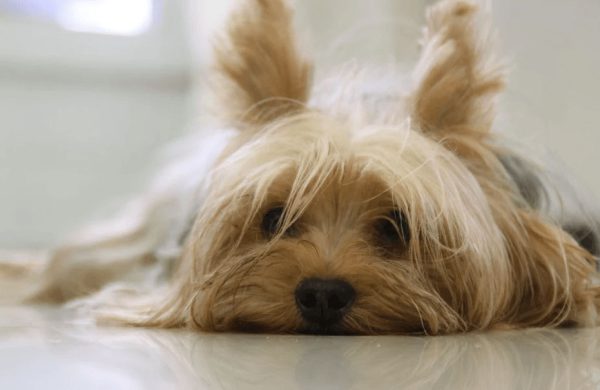
Discover the History of the Yorkshire Terrier
On this page, we’ll delve deeper into the history of the Yorkshire Terrier, that beautiful and affectionate little dog that everyone wants at home (if they don’t already have one, of course!). We’ll be adding more information about the Yorkshire Terrier’s origins in blog posts to share all the facts and interesting details about this wonderful dog. We briefly touched on the history of the Yorkshire Terrier at the beginning of this website, but we’ll use this page to explore its origins in more detail.
As with any dog breed, understanding the history of the Yorkshire Terrier (crossbreeding, circumstances, context, etc.) is essential to understanding the dog’s behavior and properly meeting its needs. That’s why it’s vitally important to discover the origins of the Yorkshire Terrier, a breed that originated in the United Kingdom… but we won’t spoil anything else about the Yorkie, so let’s get started!
History of the Yorkshire Terrier: Origins
Originally, the Yorkshire Terrier was known for being a mouser, eliminating the rodent infestations that plagued the Yorkshire region of England.
This trait benefited many households and key sectors of the booming industry.
The breed’s origins trace back to Scotland, specifically the banks of the River Clyde, where local workers seeking employment in the wool industry in England brought them along.
Yorkshire, a region of contrasts
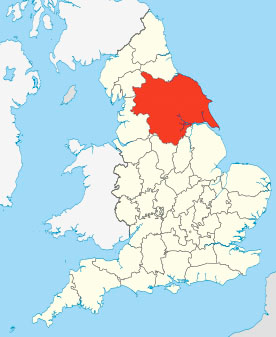
The writer Espido Freire left us these words about the Yorkshire region:
“Yorkshire opens up to the visitor like a stone rose, similar to the one on its coat of arms, undulating like the heather of the moors, rising in the Gothic arches of the abbeys that dot the landscape. It is a caress for the spirit, a jolt for the senses.”
Without a doubt, this is a perfect description of the English region, where we can find beautiful rural areas, beaches, recreational areas, and even cliffs of unforgettable beauty, not to mention the vibrant and bustling cities.
Its 32 sites, designated as national heritage sites, bear the imprint of Roman and Victorian cultures, making Yorkshire a region of contrasts in the 1870s, with the rise of the Second Industrial Revolution.
The Arrival of the Terrier in Yorkshire
During this Industrial Revolution, and with the high demand for labor, many Scots came to England in search of work, and many of them brought their Scottish Terriers with them. These dogs were perfect for eliminating vermin in the homes or workplaces of the workers.
Little by little, this small breed was crossbred with others, creating the Broken Haired Scotch Terrier. This new breed was more effective at eliminating the rodents that were spreading through the new urban centers.
The crossbreeding that occurred during this period is fundamental to understanding the history of the Yorkshire Terrier.
Yorkshire Terrier Crossbreeding
In the following years, it continued to be crossed with other dog breeds, contributing new genes until the Yorkshire Terrier, as we know it today, was developed. Some of the dogs that contributed genes include the Leeds Terrier, the Manchester Terrier, the Paisley Terrier, the Maltese, and the Yorkie.
With all these genes, a mouser dog with long hair was obtained, named after the region where it originated. Originally, it was larger than it is today, weighing up to 7 kilos (15 pounds). Currently, it weighs less than half of its original weight, but it has gained immense popularity as the quintessential companion dog.
The first Yorkshire Terrier: Huddersfield Ben
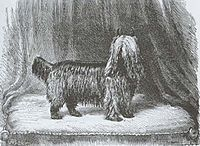
Huddersfield Ben – The First Yorkshire Terrier
The year 1865 is a pivotal one in the history of the Yorkshire Terrier.
In 1865, Huddersfield Ben was born, the dog recorded as the progenitor of the modern Yorkshire Terrier.
Although he died young, at only six and a half years old, he left behind 20 offspring, laying the foundation for this new breed.
Fifteen years after Ben’s death, in 1876, the British Kennel Club officially recognized the Yorkshire Terrier breed. At this time, dogs of this breed began to be shown in dog shows, many of them direct descendants of Ben. From then on, the history of the Yorkshire Terrier took a radical turn: the Yorkshire Terrier began to be seen as a luxury for families who could afford one.
Little by little, it has become a highly sought-after companion dog; and through selective breeding, its size was reduced, making this small stature its most distinctive feature.
The Yorkshire Terrier standard was written in 1898.
From the very beginning of this small breed, the history of the Yorkshire Terrier has been guided by dedicated breeders committed to improving it over generations.
In 1898, the Yorkshire Terrier Club was formed, where the breed standard was written, and it remains almost unchanged today. This standard described the Yorkshire Terrier as a captivating dog with a perfect temperament for a companion. Its protective instinct remained unaffected despite its smaller size, protecting both children and adults in its family. (We’ve included a link to the Yorkshire Terrier Club in Spain.)
Selective Breeding of the Yorkshire Terrier
Since Ben’s birth, the Yorkshire Terrier has always undergone a process of selective breeding to improve the breed and produce healthier dogs.
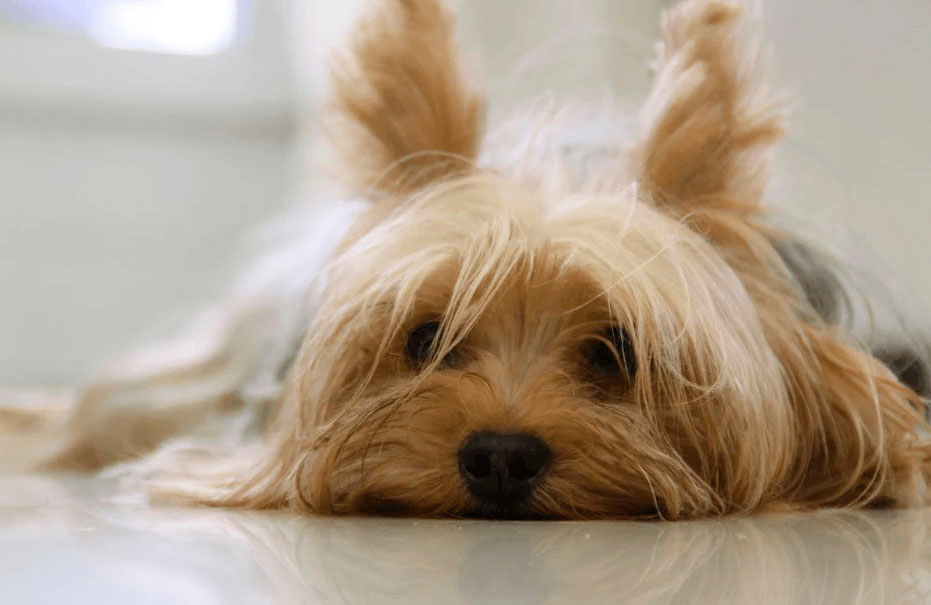
The Yorkshire Terrier is a perfect companion dog.
Throughout the history of the Yorkshire Terrier, several breeders have influenced the breed’s development, producing champion specimens in various competitions and exhibitions, such as the Johnstounburn Kennel and breeder Annie Swan.
Well, now you know the history of the Yorkshire Terrier. If, like us, you find it interesting to learn about the origins of our furry little friends, we invite you to read the article “Dachshund Temperament: What Is Its Personality Really Like?”, where we also give you a glimpse into its origins and how they influence its character.